
Inconel Metal: Types, Materials and Composition


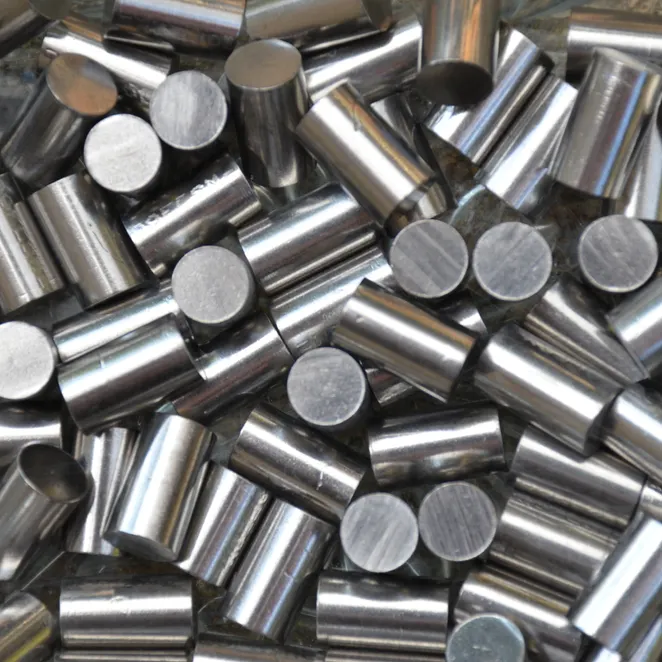
Inconel metal is a family of nickel-chromium-based superalloys engineered to perform reliably under extreme thermal, mechanical, and corrosive conditions. The Inconel metal group delivers exceptional heat resistance, oxidation stability, and tensile strength at temperatures where most metals lose structural integrity. Inconel's development traces back to Inconel origins dating to the 1930s material science, responding to demand from industries requiring metals that retain performance far beyond the limits of conventional steel.
Inconel materials serve a broad range of high-stakes sectors, including aerospace, marine, oil and gas, and power generation. The alloy group withstands temperatures exceeding 1,000°C in jet engine components, resists seawater corrosion in subsea pipelines, and maintains pressure integrity inside chemical processing reactors. Each grade within the Inconel family is formulated to address distinct performance requirements, from weldability and fatigue resistance to creep strength and cryogenic stability. The combination of a stable austenitic matrix and precisely controlled alloying additions makes Inconel one of the most trusted high-performance materials across demanding industrial environments.
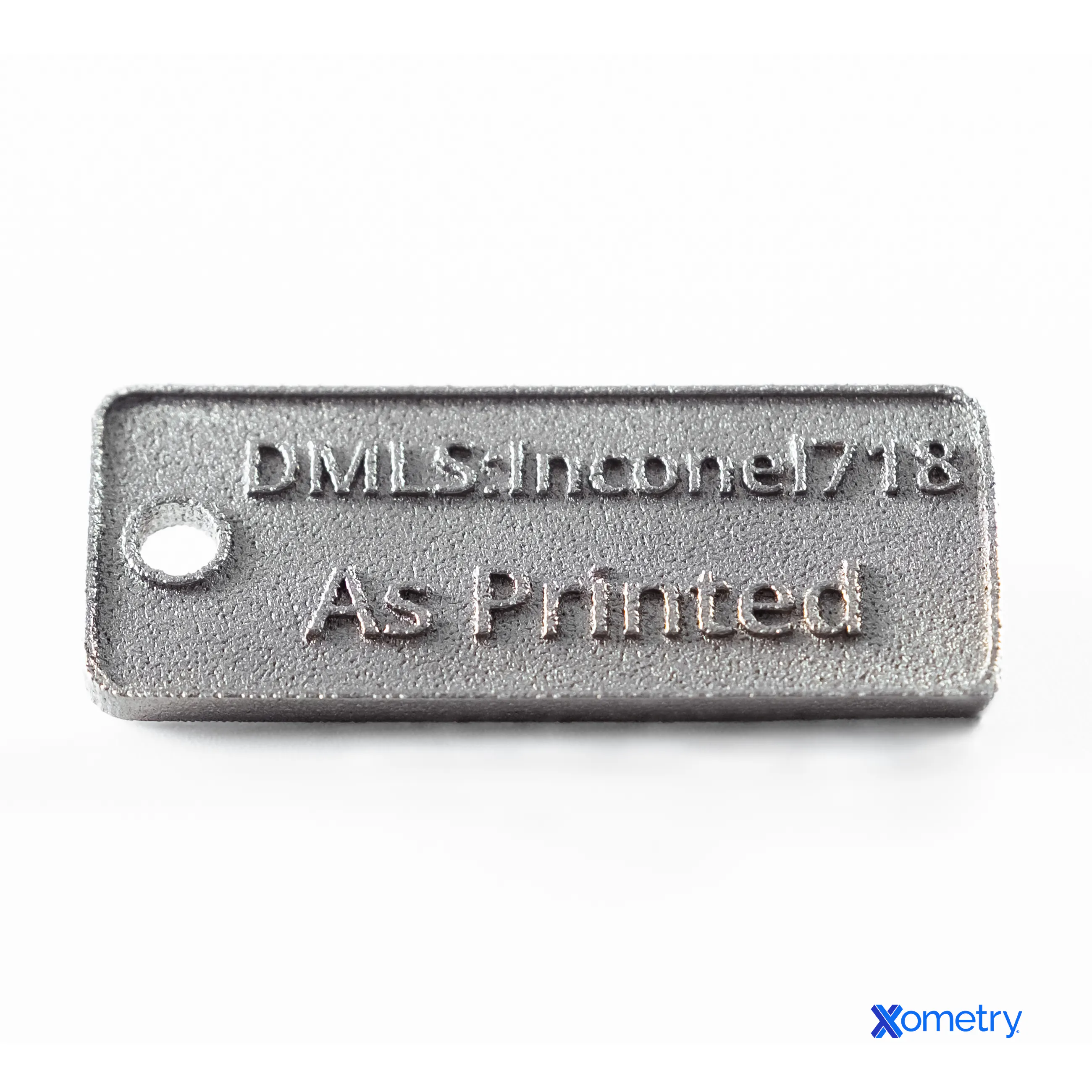
What Is Inconel Metal?
Inconel metal is a registered family of austenitic nickel-chromium superalloys formulated to retain mechanical strength, resist oxidation, and withstand corrosion under sustained high-temperature and high-pressure service conditions. The base composition consists primarily of nickel (50–72%) and chromium (14–23%), which together form a stable face-centered cubic (FCC) crystal structure that resists deformation and phase transformation at elevated temperatures. Key characteristics include oxidation resistance up to 1,200°C, low creep rate under sustained thermal loading, and strong resistance to stress corrosion cracking in aggressive chemical environments. Unlike conventional alloys, Inconel retains tensile strength at temperatures where stainless steel undergoes significant softening. The passive oxide film that forms on the surface acts as a thermal and chemical barrier, preventing further degradation. The alloy's resistance to chloride-induced pitting and intergranular corrosion makes it suitable for marine and chemical applications. Inconel is a primary material choice due to the stability of its microstructure and its durability under cyclic thermal stress across industries requiring sustained performance at extreme temperatures.
How Does Inconel Differ from Other Metal Alloys?
Inconel's primary differentiator from other metal alloys is its nickel-chromium base, which provides high-temperature mechanical integrity that ferrous alloys (iron-based metals, including carbon steel and stainless steel) cannot match at equivalent temperatures. Carbon steel begins to lose structural strength above 400°C, and austenitic stainless steel (310 grade) approaches its performance limits near 900°C, while Inconel grades maintain tensile strength and oxidation resistance beyond 1,000°C. The FCC austenitic matrix in Inconel resists grain coarsening and phase decomposition under prolonged thermal exposure, a property absent in ferritic and martensitic stainless steels. Precipitation-hardened grades (Inconel 718) achieve yield strength exceeding 1,000 MPa at elevated temperatures, far surpassing the 310 MPa typical of 316L stainless steel at the same conditions. Chromium content in Inconel (14–23%) forms a tenacious oxide layer at high temperatures, offering superior protection against oxidizing atmospheres compared to standard low-alloy and carbon steels, which oxidize rapidly above 500°C.
How Does Inconel Compare to Titanium Alloys?
Inconel, compared to Titanium (Ti) alloys, serves overlapping but distinct temperature ranges, with Inconel outperforming titanium above approximately 600°C. Titanium alloys (Ti-6Al-4V) exhibit a density of 4.43 g/cm³ compared to Inconel's 8.19–8.47 g/cm³, making titanium preferable where weight reduction is the primary design criterion at moderate operating temperatures. Titanium alloys deliver a superior strength-to-weight ratio at temperatures below 500°C, with tensile strength reaching 950 MPa at a fraction of Inconel's mass. Above 600°C, however, titanium undergoes oxidation and creep that degrades structural performance, while Inconel grades (625, 718) remain stable and retain over 80% of their room-temperature tensile strength. Cost differences are notable as well: titanium raw material pricing ranges from [$30 to $50] per kilogram, while Inconel ranges from [$50 to $120] per kilogram, depending on grade and market conditions. Inconel is the preferred alloy over Titanium (Ti) due to sustained creep resistance and oxidation stability for jet engine hot sections and gas turbine discs where temperatures exceed 700°C.
Is Inconel Considered a Superalloy?
Yes, Inconel is considered a superalloy. A superalloy is defined as a metallic alloy that maintains mechanical strength, resistance to thermal creep, surface stability, and corrosion resistance at temperatures exceeding 540°C (1,000°F) under sustained loading. Inconel meets all four criteria across its grade family. The nickel-chromium matrix resists oxidation and hot corrosion at temperatures up to 1,200°C. Precipitation-hardened grades (Inconel 718, Inconel X-750) develop gamma prime (γ') and gamma double prime (γ'') precipitates within the FCC matrix that obstruct dislocation movement, maintaining strength under cyclic mechanical and thermal stress. Jet engines depend on Inconel turbine blades and combustor liners to sustain performance at gas temperatures exceeding 900°C, where no ferrous alloy remains structurally viable. Gas turbines in power generation plants rely on Inconel discs rated to withstand rotational stresses at 650°C and above, confirming the material's status as a true superalloy.
What Is Inconel Made Of?
Inconel is made of nickel and chromium, with nickel content ranging from 50% to 72% and chromium from 14% to 23%, depending on the specific grade. Molybdenum, niobium, and iron are the most common secondary additions, with each element contributing targeted performance improvements. Molybdenum (2.5–9%) increases resistance to pitting and crevice corrosion in chloride-rich environments. Niobium promotes precipitation hardening in grades such as Inconel 718; in Inconel 625, niobium mainly contributes to solid-solution strengthening, which increases yield strength. Iron (up to 19%) reduces raw material cost while maintaining structural integrity. Trace amounts of aluminum (0.1–0.4%), titanium (0.65–1.15%), and cobalt (up to 1%) appear in select grades to refine grain size, enhance oxidation resistance, or improve creep performance. The precise balance of the elements determines whether the resulting alloy prioritizes weldability, fatigue strength, corrosion resistance, or high-temperature creep performance.
How Does the Composition of Inconel Metal Affect Its Properties?
The composition of Inconel's metal affects its properties by mechanical, thermal, and corrosion performance, with each alloying element targeting a specific material behavior. Chromium (14–23%) forms a continuous Cr₂O₃ oxide layer on the alloy surface, providing protection against oxidizing atmospheres and hot corrosion at temperatures from 800°C to 1,200°C. Molybdenum (2.5–9%) disrupts chloride ion attack on passive oxide films, suppressing pitting and crevice corrosion in marine and chemical environments. Niobium (3.15–4.15%) reacts with nickel during aging heat treatment to form coherent γ'' precipitates, increasing yield strength from approximately 550 MPa in the solution-annealed state to over 1,000 MPa after precipitation hardening (Inconel 718). Aluminum and titanium additions promote γ' precipitate formation, which strengthens the matrix at temperatures above 650°C. Iron content (up to 19%) adjusts thermal expansion coefficients and reduces cost. The overall elemental balance controls phase stability, creep resistance, and fatigue life across the operating temperature range of each grade.
How Does Nickel Content Influence Inconel's Heat Resistance?
Nickel content influences Inconel's heat resistance through the stabilization of austenitic crystal structures that remain stable at extreme temperatures. Nickel's stable FCC austenitic crystal structure is the primary driver of Inconel's heat resistance, as the FCC lattice does not undergo phase transformation at high temperatures, unlike the BCC-to-FCC transition observed in ferritic steels. The FCC structure maintains atomic cohesion and resists dislocation movement under thermal loading, providing creep resistance at sustained temperatures above 600°C. High nickel content (50–72%) suppresses grain boundary oxidation by stabilizing the austenitic phase and supporting the formation of a tenacious Cr₂O₃ oxide film. Stainless steel (304 grade) begins to lose creep resistance above 700°C, and sensitization at grain boundaries accelerates intergranular corrosion above 425°C, failures that the high nickel matrix in Inconel prevents. Nickel content above 50% also resists stress corrosion cracking in chloride environments, where austenitic stainless steel grades (304, 316) fail under tensile stress. The austenitic stability that high nickel content provides is the foundation upon which Inconel's elevated-temperature mechanical performance is built.
Does Alloy Composition Determine Temperature Performance?
Yes, alloy composition determines temperature performance in Inconel. The specific combination and proportion of alloying elements set the upper operating temperature limit, the creep resistance threshold, and the oxidation stability range of each grade. Chromium content dictates oxidation resistance: grades with 20–23% chromium (Inconel 601, Inconel 690) perform reliably at temperatures up to 1,200°C, while grades with lower chromium content (Inconel 600 at 14–17%) are limited to approximately 1,175°C for intermittent service. Molybdenum raises the recrystallization temperature, delaying grain coarsening under sustained thermal exposure. Niobium and aluminum additions stabilize precipitate phases (γ', γ'') that sustain yield strength above 650°C. Solution-strengthened grades lose a significant portion of tensile strength above 800°C, without precipitation-hardening additions. Composition is a controlling factor in temperature performance, along with heat treatment, microstructure, product form, stress, and service environment.
What Are the Different Types of Inconel?
Inconel encompasses multiple grades, each engineered for specific thermal, mechanical, and corrosive service conditions. Grade selection depends on the operating temperature range, the corrosive media present, the required mechanical properties, and the fabrication method. The grades range from solid-solution-strengthened alloys (Inconel 600, 625) suited for oxidizing and aqueous environments to precipitation-hardened alloys (Inconel 718, X-750) engineered for maximum strength under cyclic thermal and mechanical loading.
1. Inconel 600
Inconel 600 is a solid-solution-strengthened nickel-chromium alloy containing approximately 72% nickel, 14–17% chromium, and 6–10% iron. The grade resists oxidation at temperatures up to 1,175°C and performs reliably in both oxidizing and reducing atmospheric conditions. Primary applications include furnace components, heat exchangers, and chemical processing equipment exposed to organic acids and alkalis. The grade exhibits high resistance to chloride-induced stress corrosion cracking, making it a standard selection for nuclear reactor components and pressurized water reactor (PWR) steam generator tubes. Tensile strength reaches approximately 655 MPa at room temperature, with retained mechanical performance at elevated service temperatures. The alloy is non-age-hardenable and relies entirely on solid-solution strengthening for its mechanical properties. Xometry supplies Inconel 600 in bar, sheet, and tube forms as part of its nickel alloy material offerings for Inconel 600.
2. Inconel 601
Inconel 601 is a nickel-chromium-aluminum alloy containing approximately 60% nickel, 21–25% chromium, and 1–1.7% aluminum. The aluminum addition promotes the formation of a dense, adherent Al₂O₃ oxide layer beneath the Cr₂O₃ surface film, significantly increasing resistance to high-temperature oxidation and scaling up to 1,230°C. Primary applications include industrial furnace components (muffles, retorts, radiant tubes), gas turbine combustion hardware, and petrochemical processing equipment exposed to sulfur-bearing atmospheres. Tensile strength at room temperature reaches approximately 740 MPa, and the alloy retains meaningful strength at 1,000°C due to the stable austenitic matrix and dual-oxide protection mechanism. Inconel 601 is the preferred grade for cyclic thermal service where repeated heating and cooling accelerate oxide spalling on lower-aluminum alloys.
3. Inconel 625
Inconel 625 is a solid-solution-strengthened nickel-chromium-molybdenum alloy containing 58% minimum nickel, 20–23% chromium, 8–10% molybdenum, and 3.15–4.15% niobium. The molybdenum and niobium additions provide exceptional resistance to pitting, crevice corrosion, and intergranular attack in aggressive aqueous environments, including seawater, oxidizing acids, and reducing media. The grade operates across a temperature range from cryogenic conditions to 980°C for high-strength applications and up to 1,095°C for oxidation-resistant service. Tensile strength reaches 930 MPa at room temperature without age hardening. Primary applications include subsea pipelines, offshore risers, aerospace ducting, and marine propulsion components. No post-weld heat treatment is required due to its immunity to sensitization, making it a practical choice for welded assemblies. Xometry offers Inconel 625 material for CNC machining, sheet metal fabrication, and 3D printing services.
4. Inconel 718
Inconel 718 is a precipitation-hardened nickel-chromium alloy containing 50–55% nickel, 17–21% chromium, 4.75–5.5% niobium, and 2.8–3.3% molybdenum. Age hardening through γ'' (Ni₃Nb) precipitate formation raises yield strength to approximately 1,035 MPa and tensile strength to 1,240 MPa, placing the grade among the highest-strength Inconel alloys available. The grade performs reliably at temperatures up to 650°C and retains weldability without post-weld cracking, a property that distinguishes it from other high-strength superalloys. Primary applications include jet engine discs, turbine shafts, aerospace fasteners, and downhole oil and gas tooling. Inconel 718 accounts for approximately 35% of all superalloy production by weight, reflecting its balance of strength, weldability, and thermal stability. Xometry provides Inconel 718 as a CNC machining and metal 3D printing material for aerospace and energy components.
5. Inconel X-750
Inconel X-750 is a precipitation-hardened nickel-chromium alloy containing approximately 70% nickel, 14–17% chromium, and additions of aluminum (0.4–1.0%) and titanium (2.25–2.75%) that promote γ' (Ni₃(Al,Ti)) precipitate formation. The aging treatment raises yield strength to approximately 690–900 MPa, depending on the heat treatment condition. Primary applications include gas turbine blades, aircraft structural components, springs, and nuclear reactor core assemblies. The grade retains strength and oxidation resistance at temperatures up to 980°C and performs at cryogenic temperatures without embrittlement. Relaxation resistance makes the alloy a standard selection for high-temperature spring applications in jet engine afterburners and turbine casings. Xometry lists Inconel X-750 as a premium nickel superalloy material for precision aerospace machining and high-temperature structural applications.
6. Inconel 690
Inconel 690 is a nickel-chromium alloy containing approximately 58% nickel and 27–31% chromium, the highest chromium content in the Inconel family. The elevated chromium level provides superior resistance to aqueous corrosion, particularly in high-temperature water and steam environments with dissolved oxygen, sulfur dioxide, and nitrogen tetroxide. Primary applications include nuclear steam generator tubing, where resistance to primary-side stress corrosion cracking (PWSCC) and secondary-side denting corrosion is critical. The grade replaced Inconel 600 in pressurized water reactor (PWR) steam generators beginning in the 1980s after long-term corrosion data indicated superior performance. Tensile strength reaches approximately 690 MPa at room temperature. The grade is non-age-hardenable and achieves its properties through solid-solution strengthening and cold working.
7. Inconel 792
Inconel 792 is a cast precipitation-hardened nickel-base superalloy containing approximately 57% nickel, 12.4% chromium, 9% cobalt, and additions of aluminum (3.1%) and titanium (3.9%) for high γ' volume fraction strengthening. The alloy is designed specifically for investment casting of gas turbine blades and vanes operating in the hottest sections of aero and industrial gas turbines. The grade achieves creep rupture life and oxidation resistance at temperatures from 900°C to 1,050°C, where rotating blade centrifugal stresses and combustion gas temperatures combine under the most demanding service profiles. Cobalt content stabilizes the γ' precipitate phase at elevated temperatures, extending blade service life. Inconel 792 is a directional solidification and single-crystal casting candidate used in high-performance turbine hardware.
What Makes Inconel 625 Suitable for Marine Applications?
Inconel 625's suitability for marine applications stems directly from its molybdenum, niobium, nickel, and chromium content, which improve resistance to localized corrosion in seawater, suppressing the electrochemical mechanisms responsible for localized corrosion in seawater. Seawater contains chloride ion concentrations of approximately 19,000–20,000 mg/L, which attack the passive oxide films on standard stainless steel grades (304, 316), initiating pitting and crevice corrosion. Molybdenum content (8–10%) in Inconel 625 stabilizes the passive Cr₂O₃ film against chloride attack by increasing the critical pitting potential above the electrochemical potential achievable in seawater. Niobium (3.15–4.15%) prevents sensitization at weld heat-affected zones, where chromium depletion in lower-molybdenum alloys creates intergranular corrosion pathways. The alloy's pitting resistance equivalent number, PREN commonly calculated above 50, but seawater suitability depends on temperature, crevice geometry, flow, biofouling, galvanic coupling, and exposure duration, compared to 25–26 for 316L stainless steel, placing Inconel 625 in a corrosion resistance class suitable for seawater at temperatures up to 60°C without active corrosion protection. Subsea umbilicals, propeller shafts, and mooring components rely on the alloy's combined pitting and crevice corrosion immunity.
Is Inconel 718 the Most Widely Used Inconel Grade?
Yes, Inconel 718 is the most widely used Inconel grade, accounting for approximately 35% of global superalloy production by weight as of recent industry estimates. Its dominance traces to the combination of exceptional weldability, precipitation-hardened strength, and reliable performance at temperatures up to 650°C. Weldability is the critical factor that distinguishes Inconel 718 from competing high-strength superalloys (Waspaloy, Rene 41), which are prone to strain-age cracking during post-weld heat treatment. The controlled niobium hardening mechanism in Inconel 718 delays precipitation during welding, allowing fabrication of complex assemblies without cracking risk. Jet engine manufacturers depend on the alloy for turbine discs, combustor cases, and compressor blades. Aerospace fastener applications utilize Inconel 718 for bolts and studs rated to withstand clamping loads at elevated temperatures. The alloy's strength, weldability, and service history across aerospace confirm its position as the reference grade within the Inconel family.
How Is Inconel Material Manufactured and Processed?
Inconel Material is manufactured and processed through controlled melting, alloying, forming, and heat treatment stages that preserve high-temperature strength and corrosion resistance. Manufacturing Inconel presents significant challenges at every production stage due to the alloy's hardness, work hardening rate, and thermal resistance. Inconel work-hardens rapidly during machining, increasing cutting forces compared with many stainless steels and generating high cutting zone temperatures (700–900°C) that accelerate tool wear. Carbide and ceramic cutting tools wear at rates 5 to 10 times faster when machining Inconel compared to carbon steel. Low cutting speeds (15–30 m/min for turning operations), high-pressure coolant delivery, and rigid machine setups are required to maintain dimensional accuracy and surface finish. Welding requires careful heat input control to prevent heat-affected zone cracking in precipitation-hardened grades. Grinding after machining is common to achieve tolerances within ±0.025 mm on critical aerospace components. The alloy's resistance to deformation and heat dissipation makes manufacturing cost and cycle time significantly higher than standard alloy steels.
What Are the Primary Methods Used To Produce Inconel?
The primary methods used to produce Inconel are listed below.
- Vacuum Induction Melting (VIM): VIM is the primary melting process for Inconel, conducted inside a vacuum chamber to eliminate atmospheric contamination. The process melts precise quantities of nickel, chromium, molybdenum, and other alloying elements in an induction-heated crucible under high-vacuum conditions that minimize atmospheric contamination, preventing oxidation of reactive elements such as aluminum and titanium.
- Vacuum Arc Remelting (VAR): VAR is a secondary refining process applied after VIM to reduce segregation and improve the homogeneity of the ingot. An electric arc melts the VIM electrode under vacuum, allowing controlled solidification in a water-cooled copper mold, producing ingots with refined grain size and reduced porosity.
- Electroslag Remelting (ESR): ESR passes the VIM electrode through a molten slag layer that filters inclusions and refines the solidification structure. The process is used where VAR is not available or where specific inclusion control requirements apply in industrial turbine applications.
- Hot Working (Forging and Rolling): Forging and rolling at temperatures from 900°C to 1,200°C refines grain structure, closes internal porosity, and improves mechanical properties. Hot working produces billet, bar, plate, and sheet product forms for downstream machining and fabrication.
- Powder Metallurgy (PM): PM processes atomize molten Inconel into fine powder, which is consolidated by hot isostatic pressing (HIP) or selective laser melting (SLM) to produce near-net-shape components with uniform microstructure and reduced material waste.
For complex geometries and low-volume production, 3D printing Inconel can produce near-net-shape components while reducing material waste compared with conventional subtractive methods.
How Is Inconel Produced Through Vacuum Induction Melting (VIM)?
Inconel is produced through Vacuum Induction Melting (VIM) by melting high-purity nickel and alloying elements inside a sealed vacuum chamber that prevents oxidation and gas contamination. Vacuum Induction Melting is a primary melting process used for many high-performance Inconel grades,, conducted entirely under vacuum to prevent oxidation and atmospheric contamination of reactive alloying elements. The process operates at pressures below 1 Pa (0.01 mbar), eliminating contact between molten metal and atmospheric oxygen, nitrogen, and hydrogen. Raw materials are charged into a ceramic crucible inside the vacuum chamber. An induction coil surrounding the crucible generates electromagnetic fields that heat the charge through eddy current losses, melting the nickel base metal first before adding chromium, molybdenum, niobium, aluminum, and titanium in sequence. Vacuum conditions remove dissolved gases from the melt, reducing hydrogen content to below 1 ppm and oxygen to below 10 ppm, which prevents porosity and oxide inclusions in the final product. The molten alloy is poured into electrode molds for subsequent VAR or ESR processing, or directly into casting molds for precision investment castings. VIM output homogeneity directly determines the consistency of the downstream-processed alloy's mechanical properties.
Is Inconel Processed Through Hot Working?
Yes, Inconel is processed through hot working operations, including forging, rolling, and extrusion. Hot working is performed at temperatures from 900°C to 1,200°C, where the alloy's flow stress is reduced sufficiently for plastic deformation without cracking. Forging refines grain structure by breaking up as-cast dendrites and closing internal shrinkage porosity, producing a wrought microstructure with improved tensile strength, fatigue resistance, and fracture toughness compared to cast material. Rolling reduces ingot cross-sections to plate, sheet, and bar forms, introducing controlled deformation that further refines grain size. Extrusion produces seamless tubes and pipes with uniform wall thickness for heat exchanger and pressure vessel applications. Hot working temperatures must remain above the recrystallization temperature to prevent excessive work hardening that would cause cracking. Proper temperature control during hot working is critical to achieving uniform mechanical properties across the full cross-section of the finished product form.
What Are the Common Applications of Inconel Metal?
The common applications of Inconel Metal are listed below.
- Aerospace and Aviation: Inconel is used in various aerospace components, including turbine blades, exhaust systems, and jet engines, where materials must withstand extreme temperatures and pressure variations. It maintains its strength and stability even in high-stress environments, ensuring the safety and efficiency of aircraft systems.
- Power Generation: Inconel plays a crucial role in power generation, especially in gas and steam turbines. The metal’s ability to withstand high temperatures and thermal cycling makes it ideal for use in power plants. It maintains structural integrity in components exposed to extreme heat, such as combustors and turbine blades, enabling reliable energy production.
- Oil and Gas Industry: Inconel is vital in the oil and gas industry, where it is used in applications such as heat exchangers, piping systems, and valves. Its resistance to corrosion and oxidation in aggressive environments, coupled with its heat resistance, makes it the perfect material for parts exposed to harsh chemicals and high temperatures during oil extraction and refinement.
- Chemical Processing: Inconel is widely used in chemical processing equipment, such as reactors and heat exchangers. The material's resistance to aggressive chemicals, high temperatures, and corrosion makes it suitable for environments where other metals would fail. Inconel ensures that equipment remains durable and efficient under demanding conditions.
- Marine Applications: Inconel is commonly found in marine environments, particularly in seawater systems and high-performance marine engines. Components like pumps, valves, and heat exchangers are made from Inconel due to its corrosion resistance against seawater and high-temperature stability. It is used in applications that face constant exposure to the ocean’s harsh conditions.
- Automotive and Motorsports: Inconel is used in high-performance automotive components, particularly in exhaust systems and turbochargers. The material’s ability to handle extreme temperatures makes it a preferred choice in motorsports, where turbocharged engines generate high levels of heat. Inconel’s durability under intense conditions helps ensure the reliability and performance of racing vehicles.
- Industrial and Heat Processing Equipment: Inconel is widely used in industrial applications, especially in heat exchangers, furnaces, and other heat-processing equipment. The metal’s excellent resistance to heat and thermal cycling ensures that it maintains its performance in equipment exposed to fluctuating temperatures. The durability helps keep industrial operations running smoothly.
- Stainless Steel (SS) Applications: Inconel is sometimes used alongside Stainless Steel (SS) to combine the advantages of both materials. Inconel offers higher resistance to heat and corrosion in environments where SS might not perform as effectively. The combination of Inconel and Stainless Steel (SS) is used in applications that require enhanced durability, such as in certain heat exchangers or industrial components exposed to extreme conditions.
Inconel represents one of the most important classes of high-performance superalloys because it combines exceptional heat resistance, mechanical strength, and corrosion stability in environments where conventional metals rapidly degrade. Its nickel-chromium matrix allows the alloy to maintain structural integrity under sustained thermal and mechanical loading, making it indispensable in aerospace, power generation, marine, chemical processing, and high-performance industrial systems. Different Inconel grades are engineered to balance properties such as creep resistance, weldability, oxidation resistance, and fatigue strength, allowing the material family to perform across a wide range of extreme service conditions. The alloy’s behavior is controlled directly by its composition, particularly the interaction between nickel, chromium, molybdenum, niobium, aluminum, and titanium, which govern high-temperature stability and corrosion performance. Although Inconel is expensive and difficult to machine, its ability to retain strength and resist degradation at temperatures exceeding 1,000°C makes it one of the most trusted materials for critical engineering applications where reliability cannot be compromised.
Applications in Aerospace and Aviation
Aerospace and aviation represent the largest single application sector for Inconel, driven by the thermal demands of jet propulsion and the structural requirements of high-altitude flight hardware. Turbine blades and discs in the hot section of gas turbine engines operate at gas temperatures from 900°C to 1,500°C, with blade metal temperatures reaching 1,000–1,100°C. Inconel 718 is widely used for turbine discs, shafts, fasteners, and structural hot-section parts; turbine blades often use cast nickel superalloys selected for higher creep and oxidation resistance. Combustor liners fabricated from Inconel 625 sheet metal withstand thermal cycling and oxidizing combustion gases with wall temperatures reaching 800–1,000°C. Exhaust nozzles and afterburner components in military jet engines use Inconel 625 and Inconel 601 for sustained oxidation resistance at temperatures from 900°C to 1,100°C. Aerospace fasteners (bolts, studs, nuts) in engine and airframe applications use Inconel 718 due to its tensile strength (1,240 MPa) and resistance to relaxation at elevated service temperatures.
Applications in Power Generation
Power generation facilities use Inconel in steam turbines, gas turbines, heat exchangers, and nuclear reactor components where high thermal efficiency requires sustained operation at temperatures and pressures beyond the capability of standard steel alloys. Gas turbine blades in land-based power generation units operate at inlet temperatures from 1,300°C to 1,500°C, with turbine metal temperatures controlled to 900–1,050°C through internal cooling channels. Inconel 792 and Inconel 738 are casting alloys used for turbine blades in stationary power generation turbines. Heat recovery steam generator (HRSG) tubes in combined-cycle power plants are fabricated from Inconel 625 to withstand flue gas temperatures up to 600°C in the presence of sulfur dioxide. Nuclear steam generator tubing in pressurized water reactors (PWR) uses Inconel 690 tubes rated for primary-side temperatures of 320°C under pressures reaching 15.5 MPa. Resistance to stress corrosion cracking in high-temperature, high-purity water is one of the primary selection criteria for nuclear steam generator alloys.
Applications in Oil and Gas Industry
Oil and gas extraction and processing expose equipment to corrosive hydrogen sulfide (H₂S), carbon dioxide (CO₂), chloride brines, and high pressures at downhole temperatures that reach 180°C to 260°C in deep reservoir applications. Inconel 625 clad pipelines and downhole tubing resist sour service (H₂S-rich) environments where carbon steel undergoes hydrogen embrittlement and sulfide stress cracking. The alloy is applied as a corrosion-resistant cladding on carbon steel line pipe in concentrations that reduce material cost while providing a corrosion-resistant inner surface in contact with produced fluids. Wellhead components, including Christmas trees, valves, and connectors, are machined from Inconel 718 bar stock for sour service ratings up to NACE MR0175 specification. Subsea manifolds and flowline connectors operating at water depths from 1,000 m to 3,000 m use Inconel 625 forgings for combined corrosion resistance and mechanical performance under hydrostatic pressure.
Applications in Chemical Processing
Chemical processing reactors, heat exchangers, pressure vessels, and piping systems handle acids, alkalis, oxidizing agents, and high-temperature process streams that degrade carbon steel and standard stainless steel alloys within months of service. Inconel 600 resists hot concentrated caustic soda (sodium hydroxide) at temperatures up to 200°C, where 304 and 316 stainless steel undergo stress corrosion cracking. Inconel 625 may be used in selected phosphoric acid and mixed-acid services, but suitability depends on acid concentration, temperature, aeration, impurities, and fluoride content. Reaction vessels handling nitric acid and hydrofluoric acid mixtures at temperatures up to 150°C rely on the corrosion resistance of Inconel 625 weld overlay cladding applied to carbon steel pressure vessels. Reactor internals in sulfuric acid alkylation units, where temperatures reach 200°C under concentrated acid service, are fabricated from Inconel 625 plate and formed components.
Applications in Marine Environments
Marine environments combine seawater chloride attack, biological fouling, galvanic corrosion from dissimilar metals, and mechanical erosion from wave and cavitation loading, creating one of the most aggressive corrosive environments encountered by structural metals. Inconel 625 propeller shafts, shaft sleeves, and stern tube components resist seawater corrosion and cavitation erosion in naval and commercial vessel propulsion systems. Offshore oil and gas platform risers, umbilical tubes, and subsea wellhead components use Inconel 625 due to its pitting resistance and high PREN, often calculated above 50 depending on the formula used. Submarine pressure hull penetrations, sonar dome structural elements, and naval exhaust system components use Inconel alloys for combined seawater corrosion resistance and structural reliability. Desalination plant heat exchanger tubes handling seawater brine at 60–80°C use Inconel 625 tubing to prevent pitting corrosion that limits the service life of titanium and duplex stainless steel alternatives in high-concentration brine stages.
Applications in Automotive and Motorsports
Automotive and motorsport applications demand materials that withstand exhaust gas temperatures, turbocharger boost pressures, and the thermal cycling inherent to high-performance internal combustion engines and racing powertrains. Exhaust systems in Formula 1 and endurance racing applications use Inconel 625 sheet metal (0.5–1.0 mm thickness) for manifolds, headers, and collector pipes that reach exhaust gas temperatures from 900°C to 1,050°C. Turbocharger turbine housings in high-boost motorsport applications are investment cast from Inconel 713C or Inconel 718 to withstand turbine inlet temperatures reaching 1,000°C at boost pressures up to 3.5 bar. Exhaust valves in high-performance gasoline and diesel engines use Inconel 751 for its combination of hot hardness, oxidation resistance, and fatigue strength under sustained cyclic thermal loading at temperatures from 700°C to 900°C. Road car turbocharger turbine wheels in high-performance production vehicles (Porsche, BMW) increasingly specify Inconel 713 castings for extended service life.
Applications in Industrial and Heat Processing Equipment
Industrial furnaces, heat treatment equipment, kilns, and thermal processing systems operate at sustained high temperatures where metal components must retain structural integrity across thousands of thermal cycles. Inconel 601 is a commonly used alloy for radiant tubes in continuous annealing furnaces, carburizing boxes, and retorts operating at temperatures from 1,000°C to 1,150°C under oxidizing and carburizing atmospheres. Inconel 600 muffle furnace components and retort fixtures withstand temperatures to 1,175°C in hydrogen and nitrogen atmospheres used for sintering metal parts. Heat treatment baskets, trays, and fixtures fabricated from Inconel 601 or Inconel 600 sheet metal resist scaling and deformation through thousands of heating and cooling cycles in batch and continuous furnaces. Kiln furniture in ceramic and glass manufacturing uses Inconel 601 for sustained exposure to temperatures from 1,100°C to 1,230°C in oxidizing kiln atmospheres where alumina refractories and silicon carbide components are fired.
How Does Inconel Compare to Stainless Steel in Performance?
Inconel compares to stainless steel in performance through its superior ability to withstand high temperatures, mechanical strength, oxidation resistance, and resistance to stress corrosion cracking, while stainless steel maintains cost, machinability, and corrosion resistance advantages in moderate-temperature aqueous environments. The performance gap widens significantly above 600°C, where Inconel grades retain yield strength and creep resistance that stainless steel cannot match. Inconel 718 maintains a yield strength of approximately 1,000 MPa at 650°C, compared to 310 stainless steel's yield strength of approximately 170 MPa at the same temperature, a difference of nearly 6 times. Some Inconel grades provide oxidation resistance approaching 1,200°C under specific service conditions, while 310 stainless steel begins scaling above 1,000°C. The Cr₂O₃ film stability in Inconel under oxidizing and reducing cycling is superior to the iron-chromium oxide scale on stainless steel, which spalls under thermal cycling. Stainless steel (316L) costs approximately [$2 to $5] per kilogram in bar form, compared to [$50 to $120] per kilogram for Inconel grades, making stainless steel the economic choice for applications at temperatures below 500°C. Stainless steels are generally easier to machine and typically cause lower tool wear than Inconel alloys under comparable cutting conditions. Inconel provides performance that no stainless steel grade replicates for applications at temperatures from 600°C to 1,200°C in corrosive or oxidizing environments, confirming its position as the superior material for extreme thermal service.
Disclaimer
The content appearing on this webpage is for informational purposes only. Xometry makes no representation or warranty of any kind, be it expressed or implied, as to the accuracy, completeness, or validity of the information. Any performance parameters, geometric tolerances, specific design features, quality and types of materials, or processes should not be inferred to represent what will be delivered by third-party suppliers or manufacturers through Xometry’s network. Buyers seeking quotes for parts are responsible for defining the specific requirements for those parts. Please refer to our terms and conditions for more information.